
Antarctica: Scout trip to NZ’s Scott Base and surrounding climate science field sites
In November 2017 I took a special trip to the bottom of the world as a guest of New Zealand Antarctic Research Institute (NZARI). My purpose was to look for future story potential and collect visual assets. Working out of New Zealand's Scott Base, we took Hagglunds (ice tanks) to three different field camps where NZARI scientists were studying the ice looking for signs of climate change.
We also took an epic heli flight through the Dry Valleys, visited Captain Robert Falcon Scott's well–preserved 1911 Terra Nova Hut, descended under the ice via the Observation “Obs” Tube on McMurdo Base, had an unexpected overnight at Marble Point fuel outpost when weather grounded us, and ran the McMurdo 5K Thanksgiving Turkey Trot in costume!
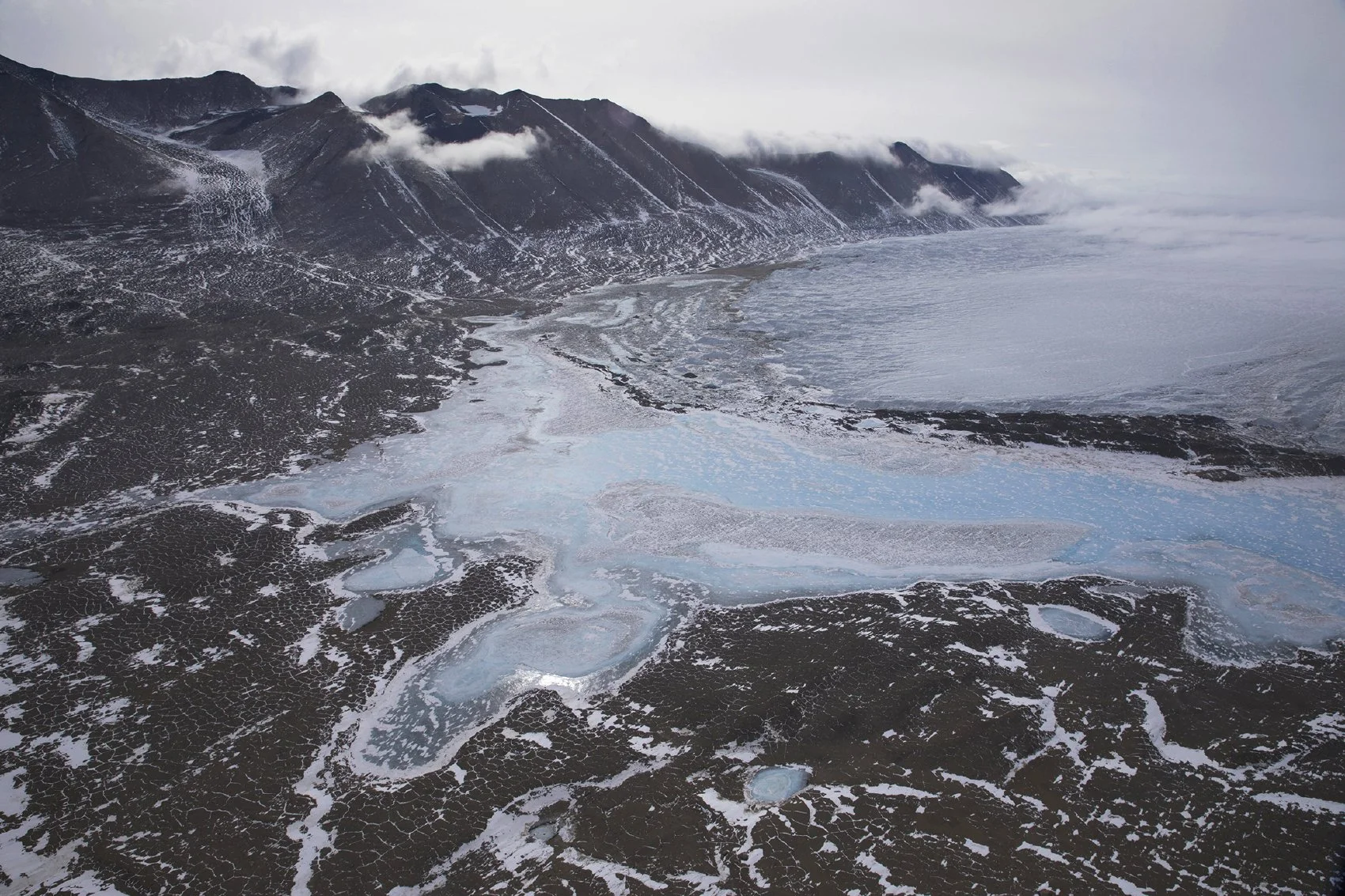
Aerial flight over serene, pristine Taylor Valley. One of Antarctica's Dry Valleys.
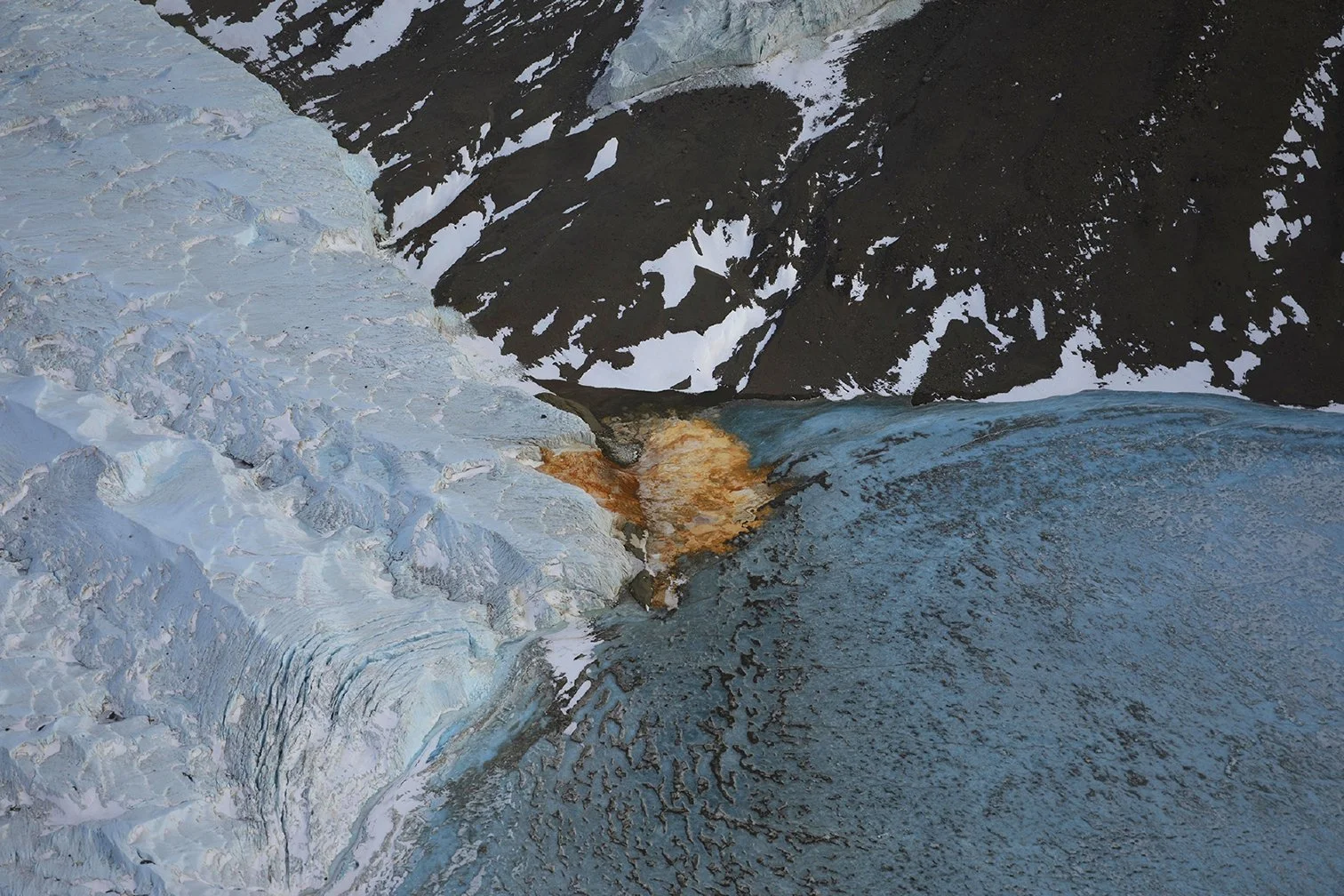
Aerial of Blood Falls (red from iron oxide) in Taylor Valley, one of the Dry Valleys in Antarctica.

Kitchen of British Captain Robert Falcon Scott's 1911 Terra Nova Hut. An incredible time capsule. *Special thanks to Antarctic Historic Trust for granting access to the historic huts and for sharing the conservation process.
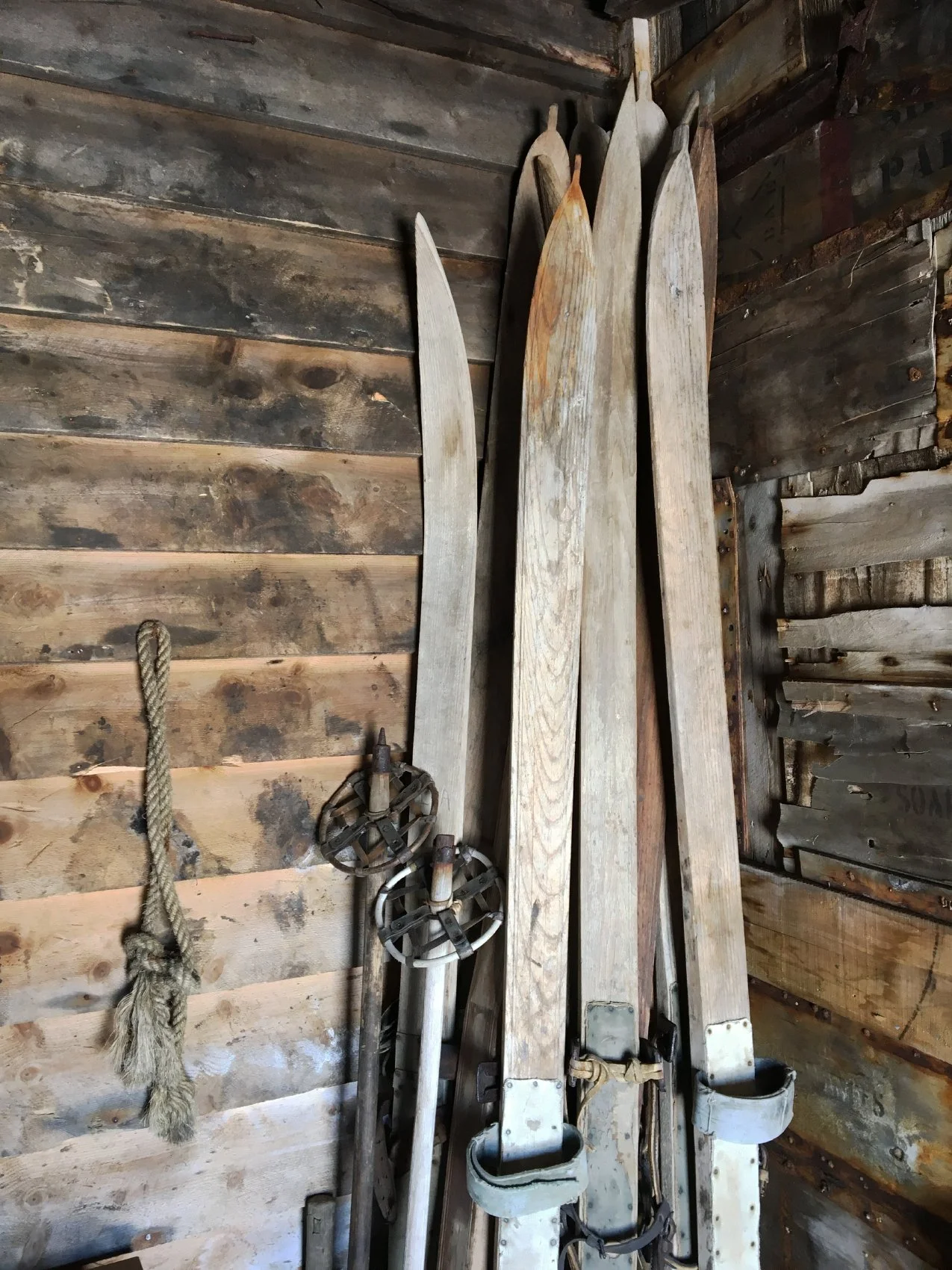
Skis at the entrance of Captain Scott's Hut.
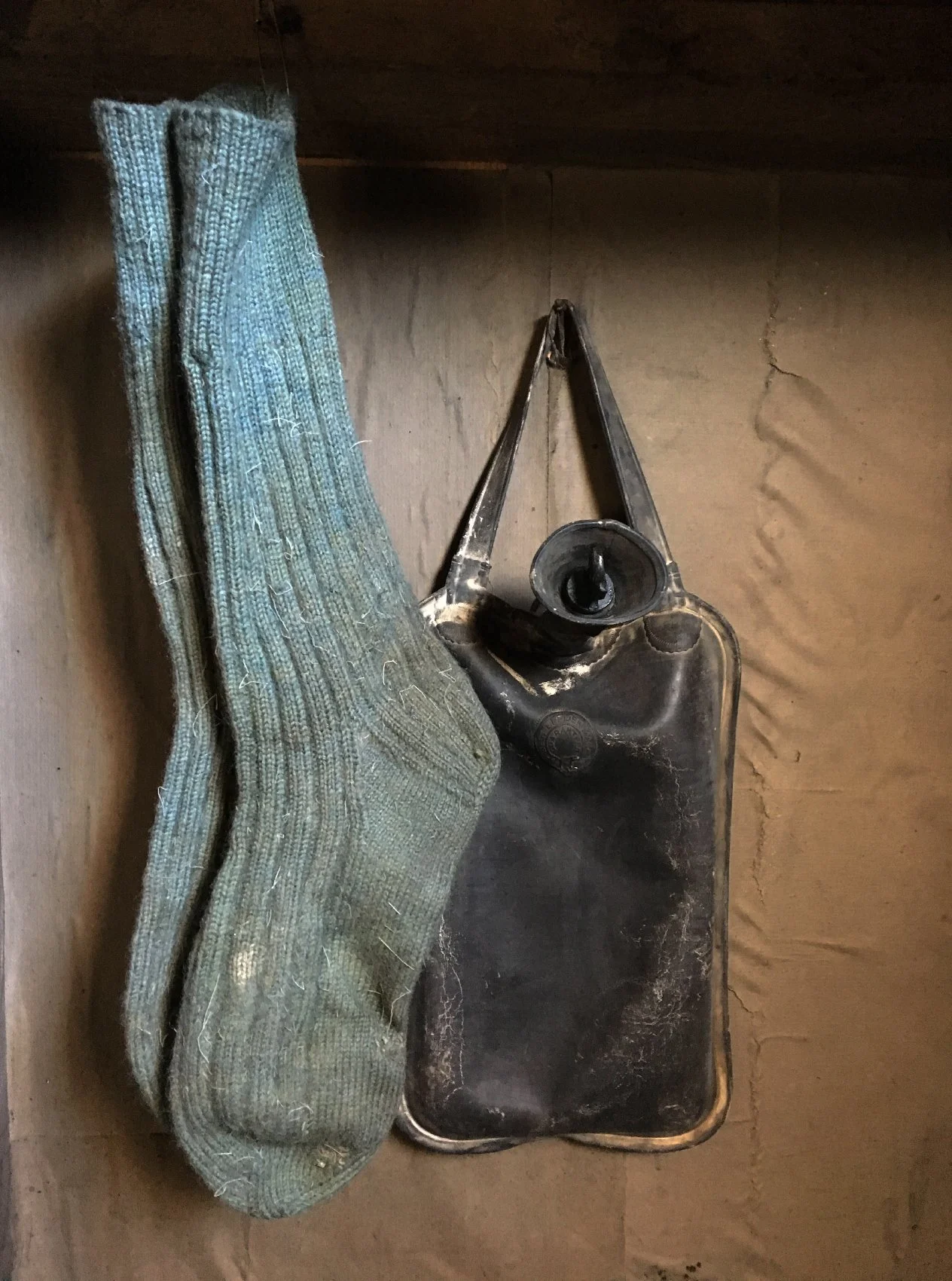
Captain Scott's socks and flask.
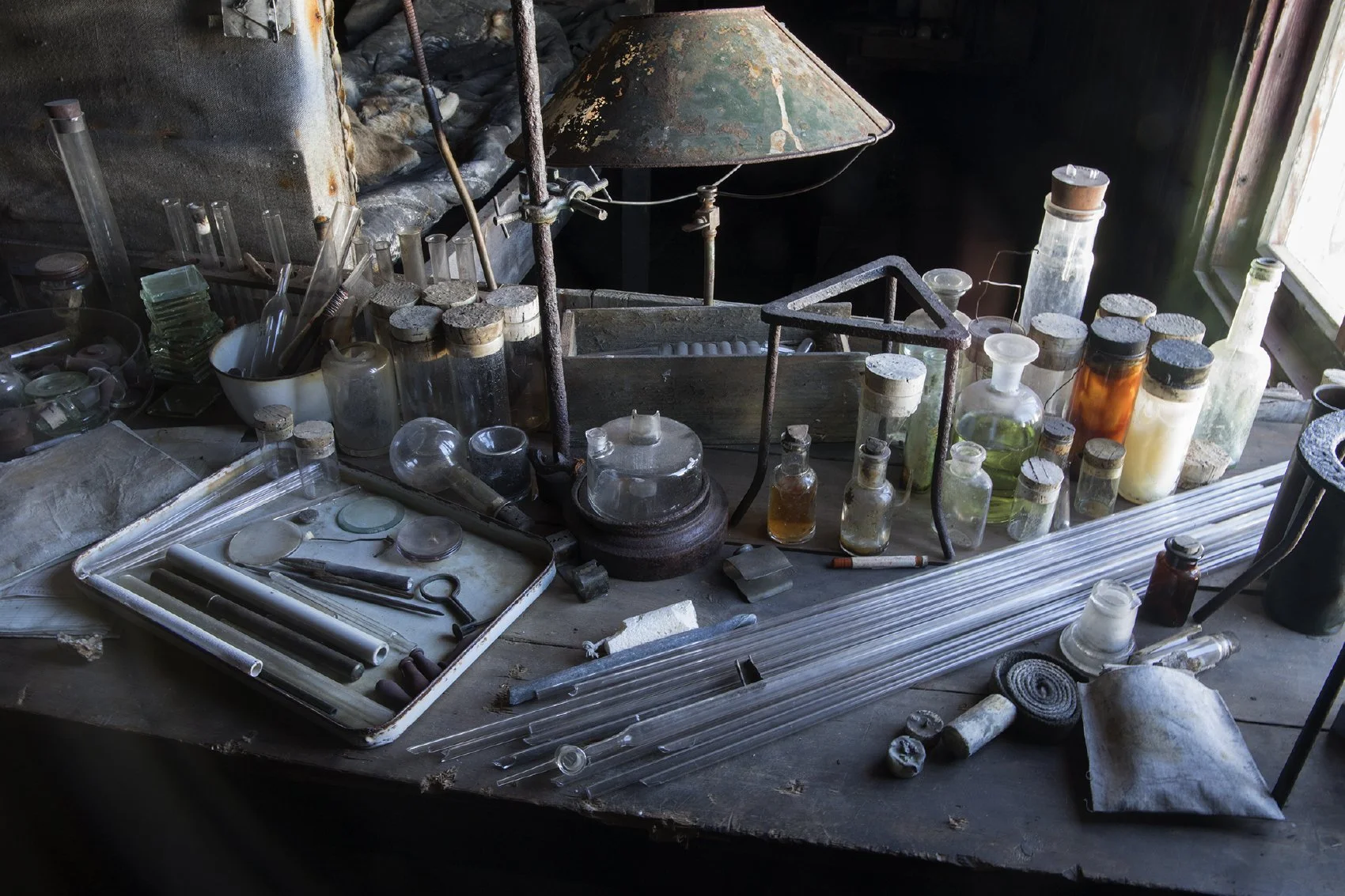
Scientific instruments on a table in Captain Scott's Hut. This British expedition had both scientific objectives as well as the goal of being first to the South Pole.
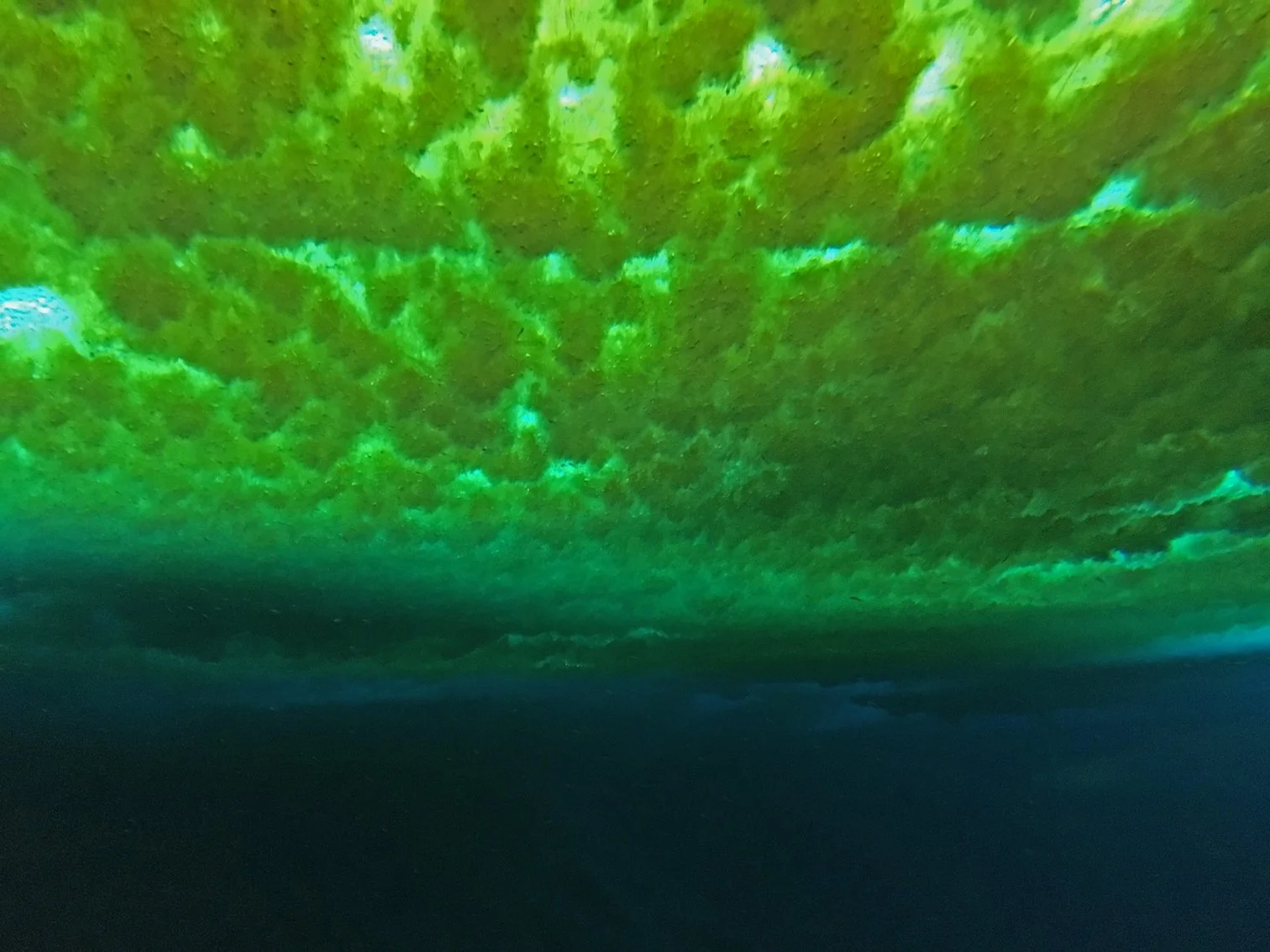
Underneath the algae-covered sea ice in McMurdo Sound seen through the Observation Tube ("Obs Tube") at McMurdo Base.
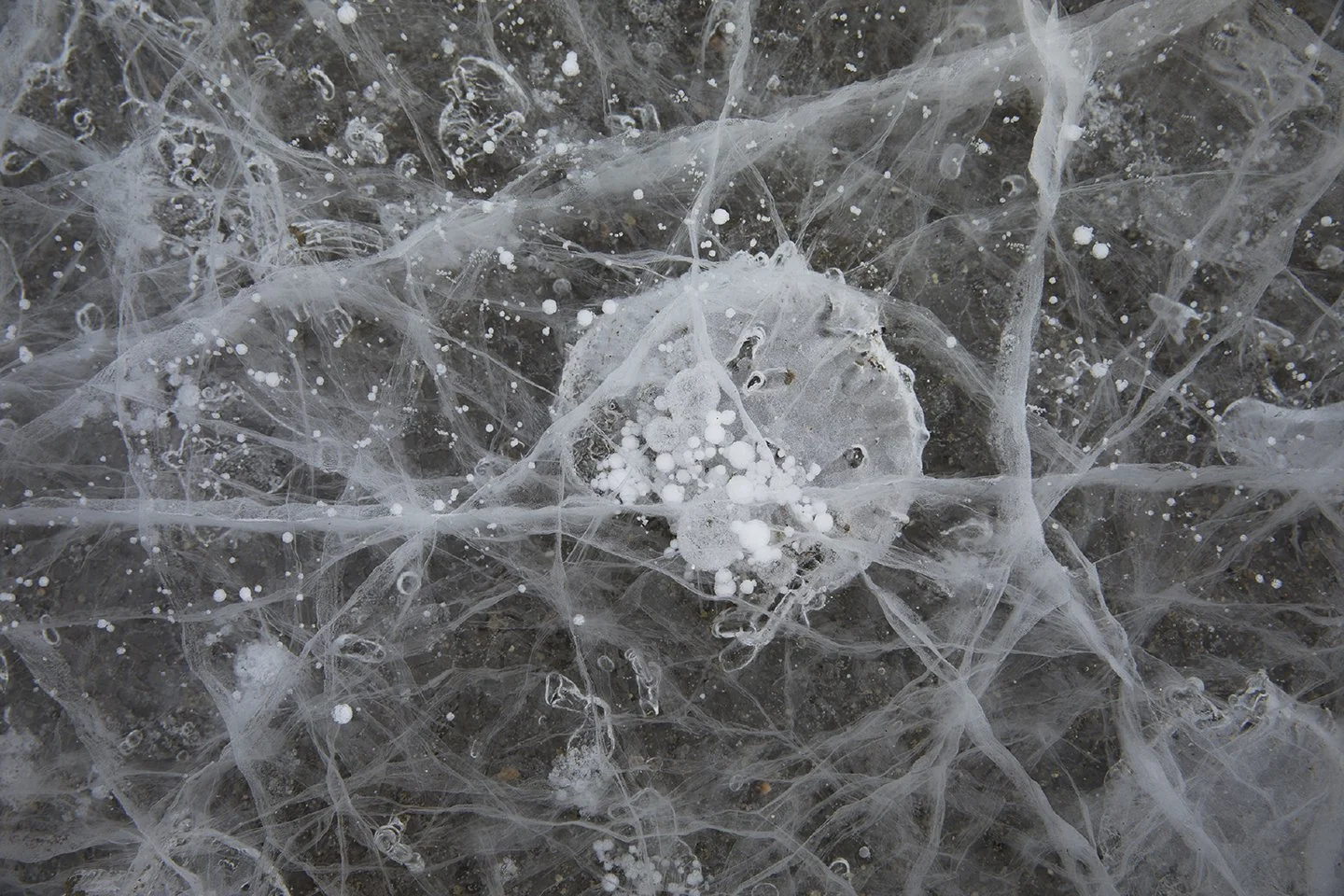
Ice detail, Dry Valleys.

Mezmerized by the deep chocolate browns and icy blues of Antarctica's Dry Valleys.

President of the Explorer's Club Ted Janulis, marine ecologist Vonda Cummings, and me.

The Kiwis kindly loaned us the full range of extreme weather gear (3 coats, 3 bottoms, 3 tops, bib pants, boots, and more).
Going down the Observation “Obs” Tube, under the ice at McMurdo Station.